A Guide to the Style
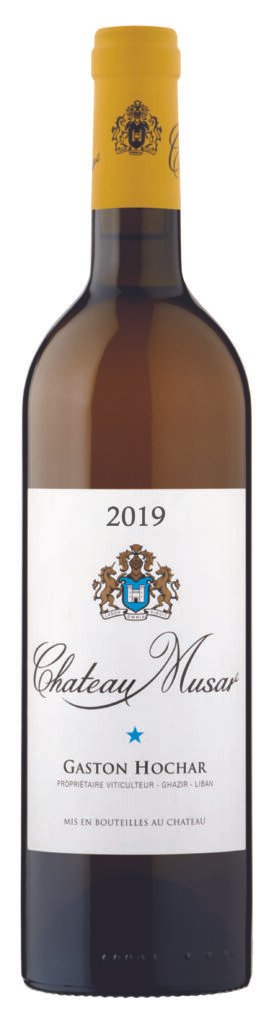
In their youth, Chateau Musar White wines show yellow‑gold colour, subtle oak, creamy texture, and rich yet dry citrus intensity with honeyed nuances. This wholly unique style has often been compared to ‘dry Sauternes’ or mature white Graves. As Chateau Musar White ages, it develops tawny hues and mellow, spicy characters. The cellars at Ghazir hold bottles dating back to 1954.
Grapes and Vines
Seven years in the making, Chateau Musar White is a blend of the ancient Lebanese grape varieties Obaideh and Merwah, indigenous to the mountains of Lebanon and believed to be related to Chasselas, Chardonnay and Semillon. The Obaideh vineyards lie in the foothills of the Anti‑Lebanon mountains on stony, chalky soils, while the Merwah vines grow on the seaward side of Mount Lebanon on calcareous gravels. Yields are extremely low for these untrained bushvines, averaging 10–20 hl per hectare. At high altitude (around 1400m), the vines remain on their own roots, making Chateau Musar White one of the few wines in the world produced from vineyards of this calibre.
Winemaking
Chateau Musar White is fermented in French oak barriques (from the forest of Nevers) for nine months, then bottled and blended at the end of its first year. It is released seven years after the harvest.
Storage
To keep Chateau Musar White showing at its best, bottles must be cellared in darkness, lying on their sides and not subjected to unnecessary movement or fluctuations in temperature.
Opening
For vintages beyond 15 years of age, we recommend the use of prongs. A tutorial is available on our YouTube page A Guide to Wine Openers.
Decanting and Serving
Concentrated and complex, Chateau Musar White shows at its best after several hours of breathing time and should be served ‘cellar cool’ at around 15°C. It excels with pâtés (especially foie gras), rillettes, seafood dishes and can match spicy food thanks to its intense flavours.
“Musar’s whites and rosés are less well-known. More’s the pity: both are unusual and superb.” – Andrew Jefford, Decanter, January 2004.
